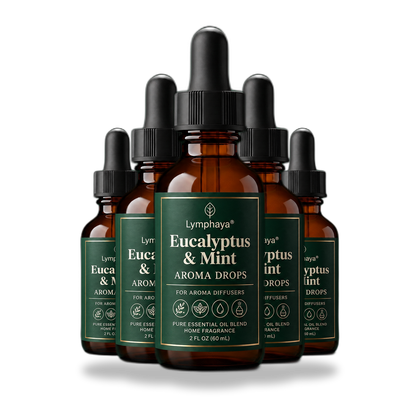
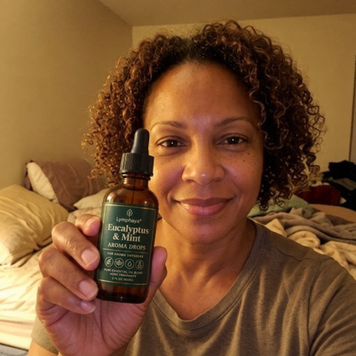
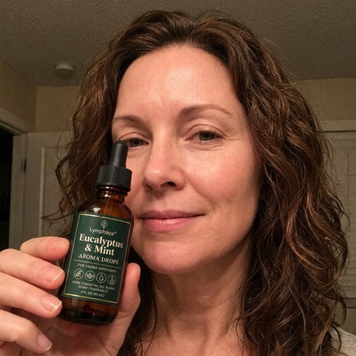
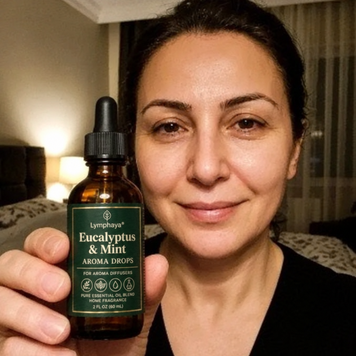
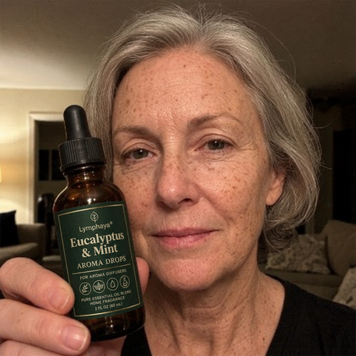
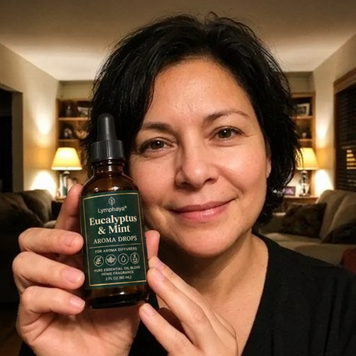
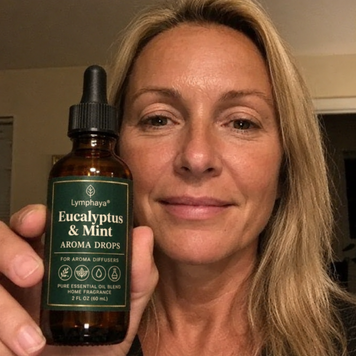
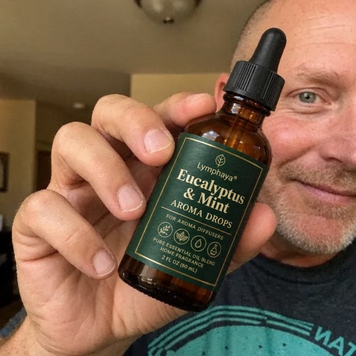
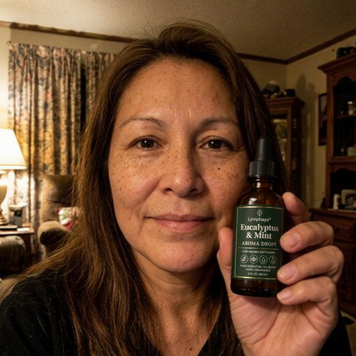
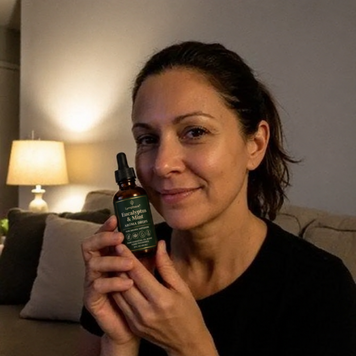
Hey, I'm Nora.
For years, my home never smelled the way I wanted it to.
Not dirty. Just… stale. Closed-up. Never quite fresh.
I'd open the windows, light a candle, spray something floral — and twenty minutes later the room smelled flat again.
So I'd spray more. Light another candle. Plug in another one of those little air fresheners.
Then the headaches started.

By the afternoon the whole house smelled like a mix of three different perfumes.
My candles left black soot on the walls and a burnt smell in the air.
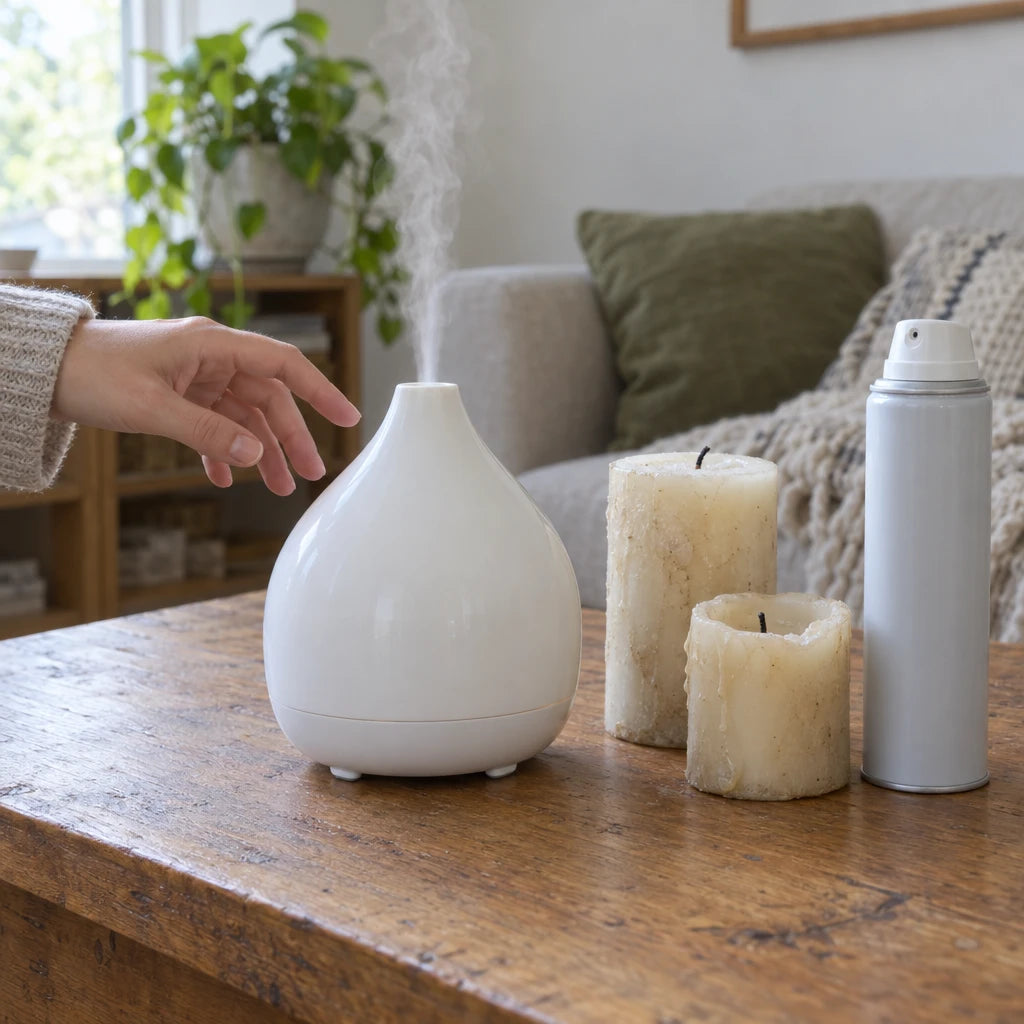
And the plug-ins had that sharp, chemical edge that clung to everything — the curtains, the couch, my clothes.
And the truth I didn't want to admit was this:
None of it actually made my home feel fresh.
It just covered one smell with a stronger, more artificial one.
So I did what everyone does. I bought the expensive candles. The designer sprays. The plug-ins in every outlet. I spent a fortune and the air still felt heavy.
I even paid for a fancy reed diffuser that looked beautiful and did almost nothing after the first week.
 Candles that faded in an hour.
 Sprays that smelled fake and synthetic.
 Plug-ins that gave me a headache.
So I started reading — not about perfume, but about how scent actually works in a room.
Why a space can feel stuffy even when it's spotless.

What I found changed everything:
It was never about masking the air. It was about refreshing it.

Here's what almost no one tells you.
There are two ways to scent a room.
The first one you know. Synthetic sprays and plug-ins blast the air with heavy, manufactured perfume. It's loud, it's fast, and it fades just as fast — so you keep spraying.
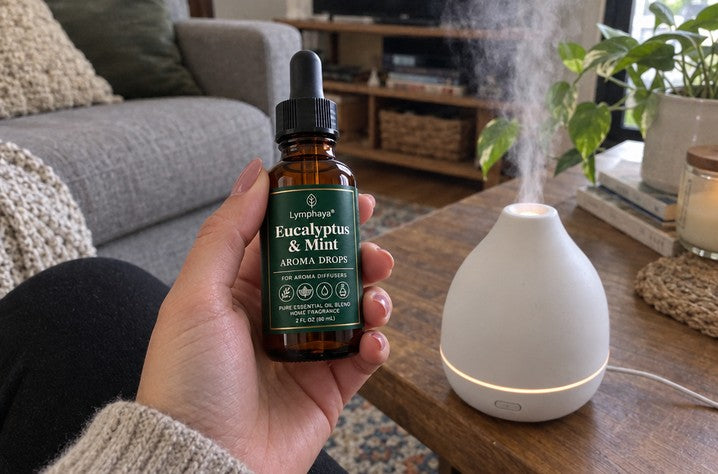
The second one is pure essential oil, diffused into the air — and it works completely differently.
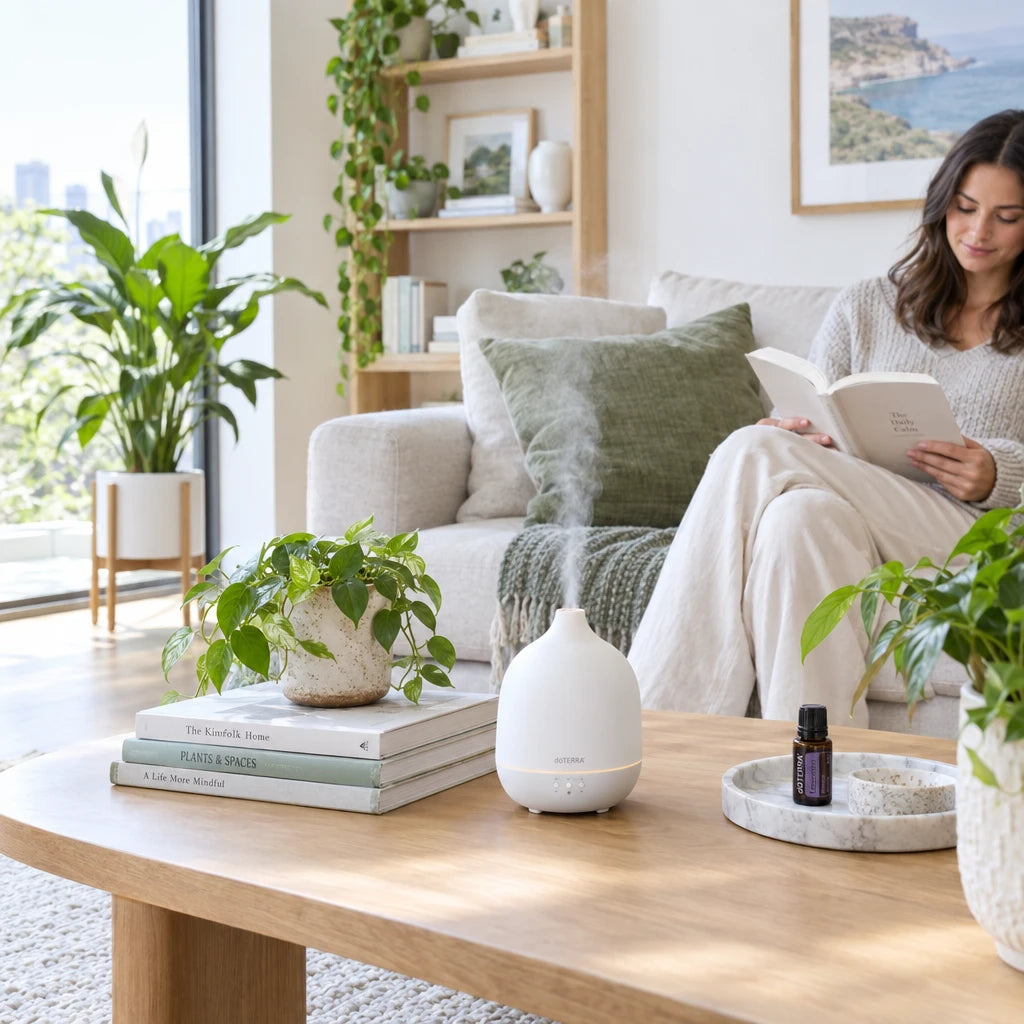
Instead of one thick cloud of perfume, a diffuser carries a fine, even mist of natural aroma through the whole room.
It doesn't cover the air. It lifts it.
Think of your home like a glass of water.
A synthetic spray is like dropping food coloring in it — strong at first, but it just sits there getting murky.
Pure diffused oil is like a fresh stream running through it. It keeps the whole thing moving and clean.
A good diffuser blend runs on three things: pure oils, the right notes, and a fine mist to carry them.

So which notes actually keep a room feeling fresh?
The research kept pointing to the same cool, crisp family of oils:
 Heavy, sweet perfumes sit still.Thick floral and vanilla scents feel nice for a minute, then turn stuffy and cloying — especially in a closed-up room. They weigh the air down instead of lifting it.
 Synthetic fragrance clings.Manufactured perfume oils coat everything and linger in a sharp, chemical way. That's the 'air-freshener headache' so many people know too well.
 Cool, crisp oils feel clean.Eucalyptus and mint read as fresh air the instant they hit the room. They're bright, cooling and clean — the smell of a window thrown open on a crisp morning.
Once I understood that, everything clicked. It was never about spraying more.
The wrong scent, and you feel it everywhere:
 The room smells 'perfumed' but never actually fresh.
 The scent is gone an hour after you spray.
 Heavy fragrance builds up and feels stuffy.
 The synthetic smell clings to your curtains and couch.
 Candles leave soot and a burnt note behind.
 You get a headache but the air still feels heavy.
 And no matter what you buy, it never feels clean.
So it was never about the most expensive candle. It was never about spraying more. It was about the right oils, diffused the right way.
It was about actually refreshing the air.
So I went looking for the oils that would truly freshen a room
Not mask it. Not perfume it for an afternoon.
I wanted to know: could a few drops make a whole room feel genuinely fresh?
And the research kept circling back to one classic, overlooked oil.
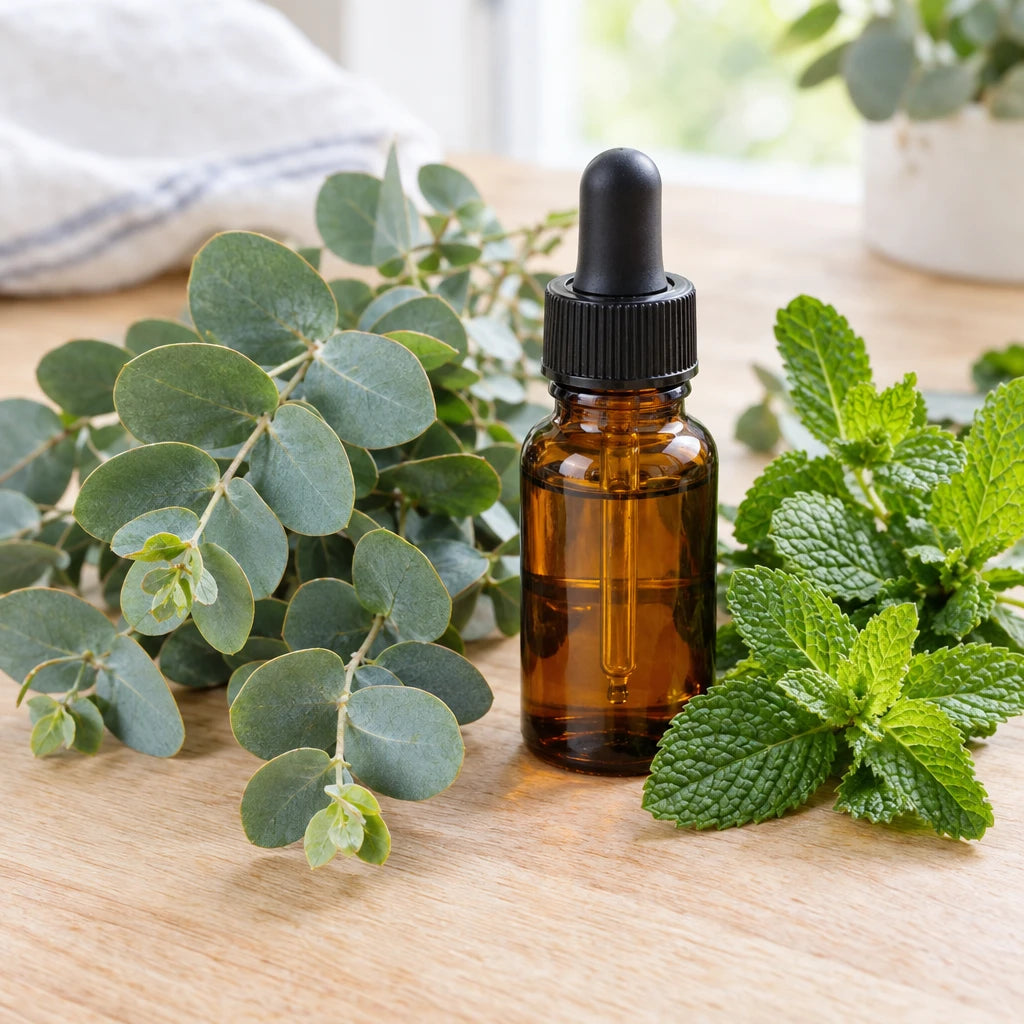
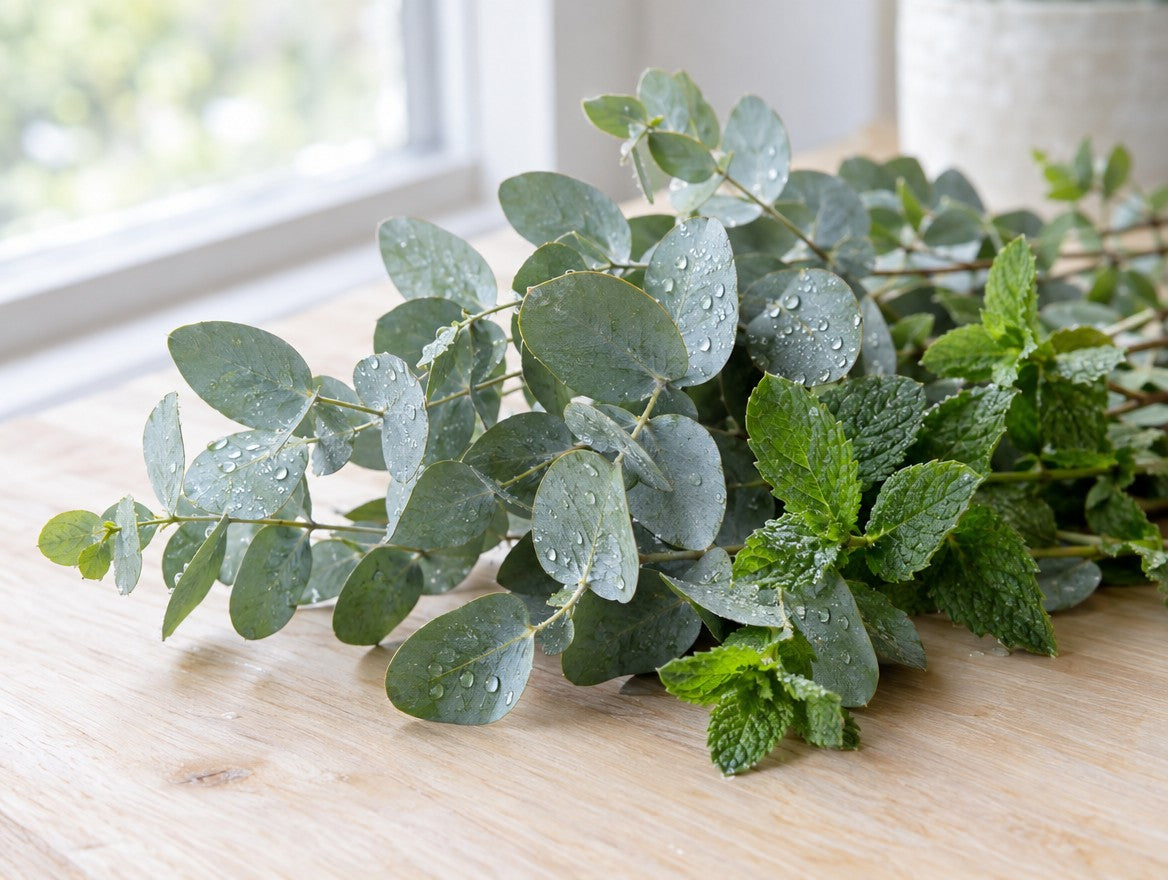
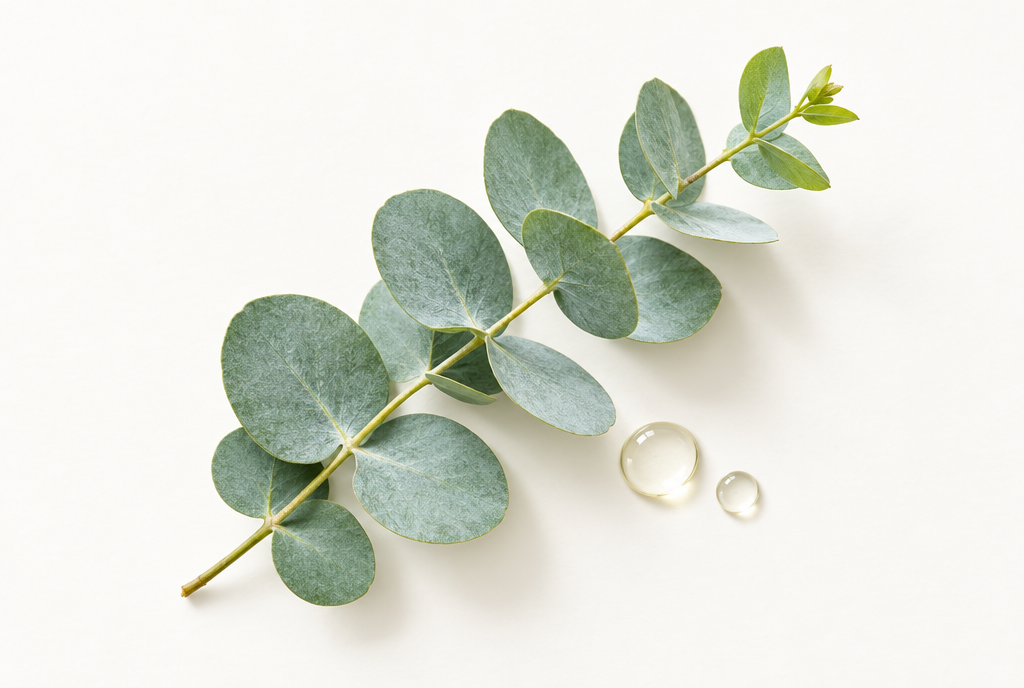
Eucalyptus.
A leaf.
It grows in tall, silver-green groves and has been prized for centuries for one thing: that instantly cooling, clean, wake-up-the-room aroma.
Spas use it. Steam rooms use it. There's a reason a eucalyptus branch in the shower is a whole trend: it makes the air feel fresh and open.
Not by covering a smell. By filling the room with a crisp, clean aroma that feels like fresh air itself.

But eucalyptus alone wasn't the whole answer.
Because a fresh scent is only great if it stays bright and balanced.
On its own, eucalyptus can feel a little sharp and medicinal. It needed a lift to make it feel rounded, cool and inviting — something you'd want in your living room, not just your sauna.
That's the part almost everyone gets wrong:
"One great oil isn't a great scent. The blend is everything."
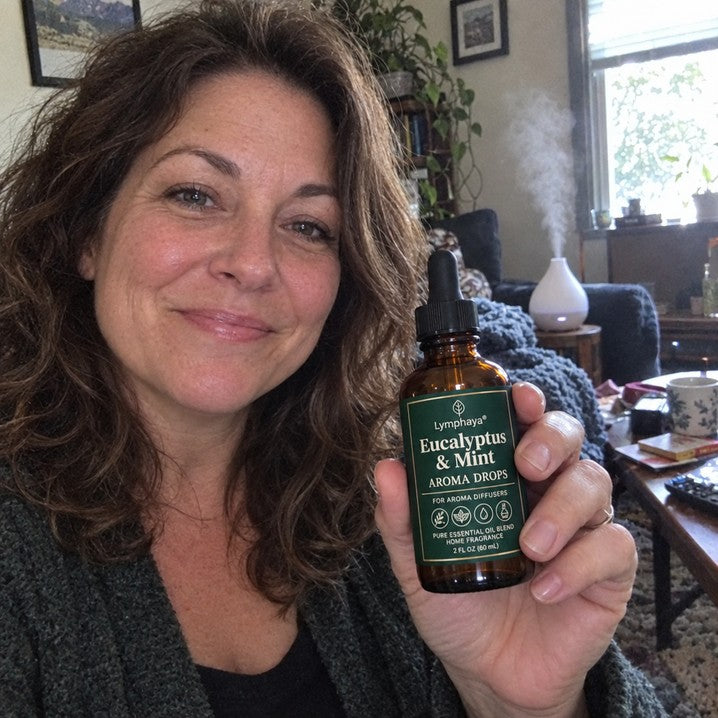
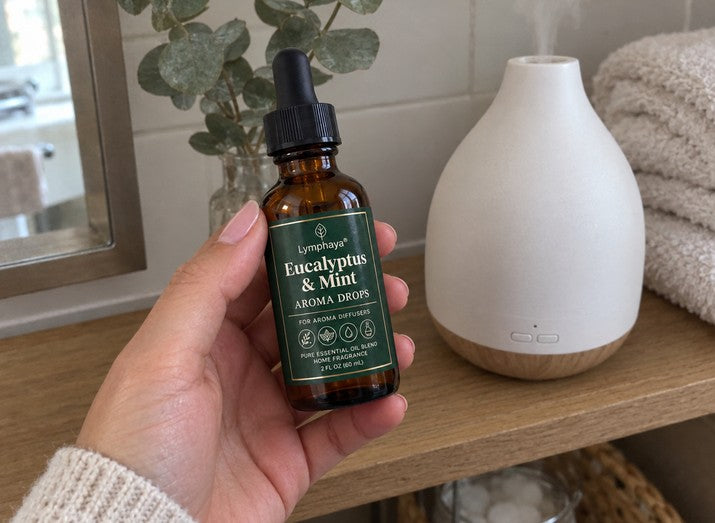
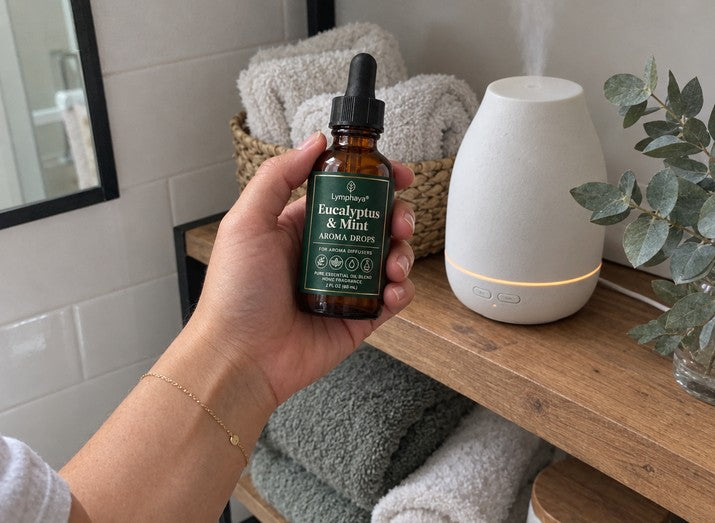
The real answer was a balanced blend of cool, crisp oils. That became the recipe.


 90-Day Money-Back Guarantee






 90-Day Money-Back Guarantee


 Candles that faded in an hour.
 Sprays that smelled fake and synthetic.
 Plug-ins that gave me a headache.


 The room smells 'perfumed' but never actually fresh.
 The scent is gone an hour after you spray.
 Heavy fragrance builds up and feels stuffy.
 The synthetic smell clings to your curtains and couch.
 Candles leave soot and a burnt note behind.
 You get a headache but the air still feels heavy.
 And no matter what you buy, it never feels clean.

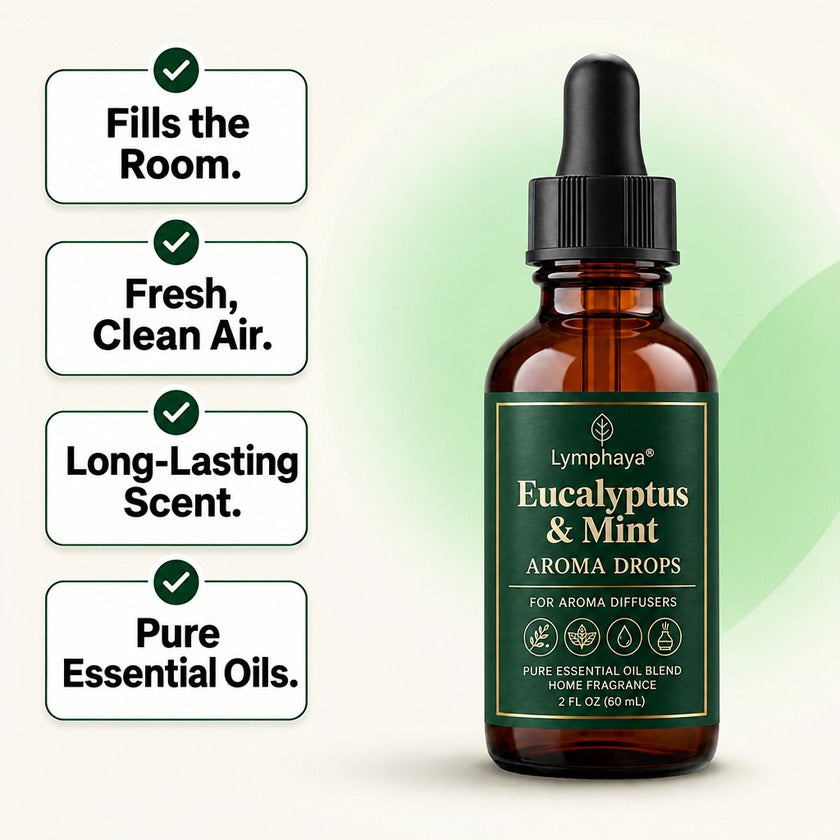


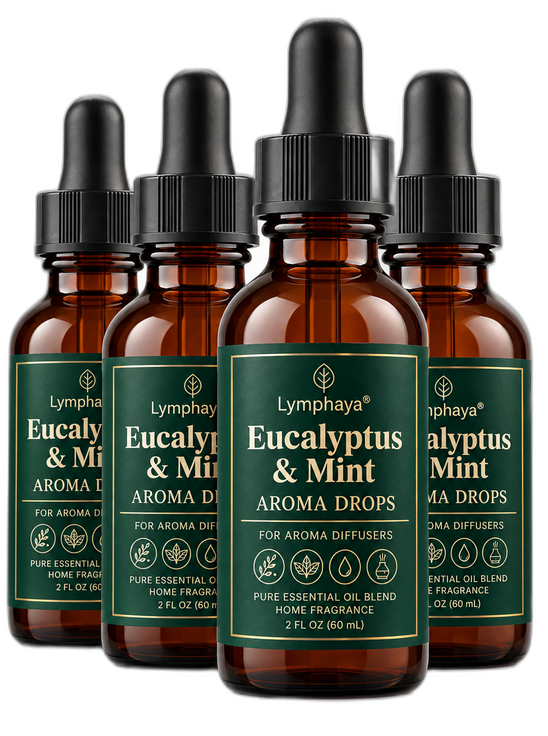

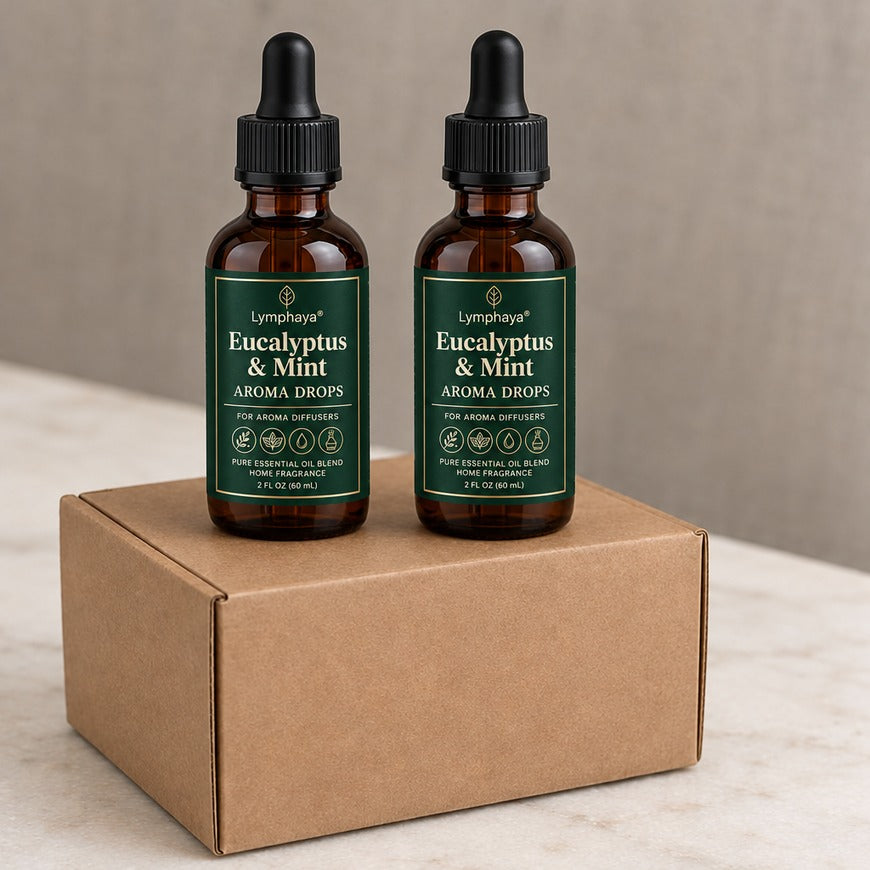
 Try Lymphaya